
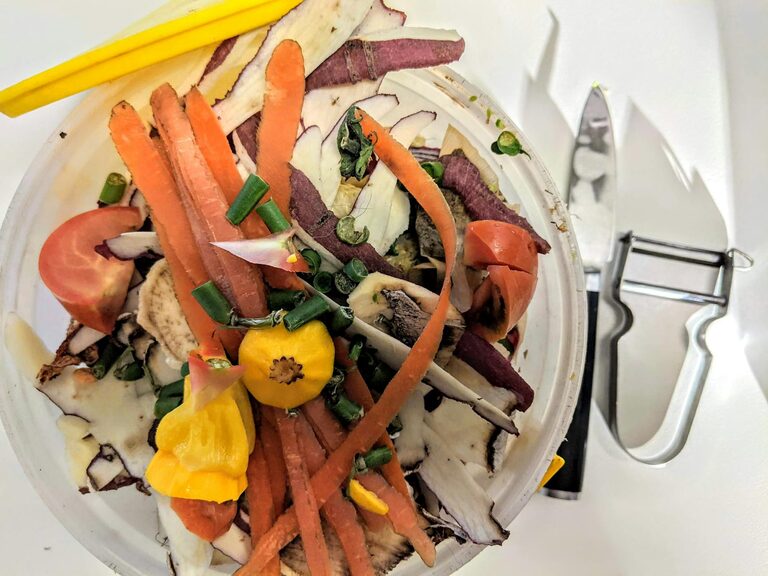
Reducing food waste at home is a simple yet impactful way to save money and contribute to environmental sustainability. Each year, millions of tons of edible food are thrown away, much of it from households. By making a few small changes in your daily routine, you can minimize waste, enjoy fresher meals, and do your part for the planet. Here are practical tips and strategies to help you reduce food waste in your home.
Why Reducing Food Waste Matters
Food waste isn’t just about the food itself; it also represents wasted water, energy, and resources used in production and transportation. Moreover, discarded food in landfills produces methane, a potent greenhouse gas. By reducing food waste, you help conserve resources and reduce your carbon footprint.
Plan Your Meals Carefully
One of the best ways to avoid food waste is to plan your meals before you shop.
– Make a grocery list: Based on your planned meals, create a detailed list to avoid impulse buys.
– Check your pantry and fridge: Use what you already have before buying more.
– Shop with purpose: Stick to your list to prevent purchasing items you don’t need or won’t use.
Planning helps you buy only what you need, reducing the chance of food expiring before you consume it.
Store Food Properly
Proper storage can extend the life of fresh produce and leftovers.
– Know your fridge zones: Store meat and dairy in the coldest sections, while fruits and vegetables often do well in crisper drawers.
– Use airtight containers: Keep leftovers in containers that seal well to maintain freshness.
– Avoid overcrowding: Good air circulation helps keep food fresh longer.
– Separate ethylene-producing fruits: Fruits like apples and bananas emit ethylene gas, which speeds ripening. Store them away from sensitive vegetables.
Understanding how to store items correctly can significantly extend their usability.
Use Leftovers Creatively
Leftovers don’t have to be boring or end up in the trash.
– Reinvent meals: Turn yesterday’s roast chicken into a salad or sandwich filling.
– Freeze extras: Many cooked meals freeze well and can be stored for several months.
– Make stocks: Use vegetable scraps, bones, and meat trimmings to create flavorful broths.
– Batch cook: Prepare meals in larger quantities and freeze portions for quick future meals.
Being creative with leftovers reduces waste and adds variety to your meals.
Monitor Expiration Dates Wisely
Dates on food packaging can be confusing.
– “Best before” vs. “Use by”: “Best before” indicates quality, not safety. Food can often be consumed after this date if stored properly. “Use by” relates to safety and should be observed carefully.
– Trust your senses: Smell, look, and feel the food before discarding if past the “best before” date.
– Rotate stock: Place newer items behind older ones in your pantry or fridge to use older items first.
Being mindful of dates helps prevent unnecessary disposal of edible items.
Compost Food Scraps
Even with the best efforts, some food waste is unavoidable.
– Start composting: Collect fruit peels, vegetable scraps, coffee grounds, and eggshells to create nutrient-rich compost for your garden.
– Use a small kitchen bin: Keep a compost container handy to make the process easy.
– Check local programs: If home composting isn’t possible, many communities offer food waste collection.
Composting turns waste into a valuable resource instead of sending it to landfill.
Buy Ugly Produce
Many fruits and vegetables are discarded simply because they don’t look perfect.
– Support imperfect produce: Many stores offer “ugly” fruits and veggies at a discount. They taste the same despite their appearance.
– Visit farmers markets: Local vendors often sell misshapen produce that supermarkets may reject.
– Get creative: Use these items in soups, smoothies, or stews where appearance is less important.
Embracing imperfect produce reduces waste while often saving money.
Practice Portion Control
Serving the right amounts helps reduce uneaten leftovers.
– Start with smaller portions: You can always go back for seconds if still hungry.
– Serve family style: Allow each person to choose how much they want.
– Use measuring cups: For recipes, measure ingredients carefully to avoid extra servings.
Controlling portions can significantly reduce plate waste.
Educate Your Household
Get everyone involved in reducing food waste.
– Share information: Explain why reducing waste is important.
– Assign roles: Let family members help with shopping, meal prep, or composting.
– Make it fun: Create challenges or incentives to encourage mindful eating and waste reduction.
A joined effort increases the chances of success.
Conclusion
Reducing food waste at home is achievable with simple, consistent actions. Planning meals, proper storage, mindful consumption, and composting are effective ways to minimize waste. Along with saving money, these habits contribute positively to the environment. Start small, be creative, and watch how your efforts make a difference in your home and beyond.