
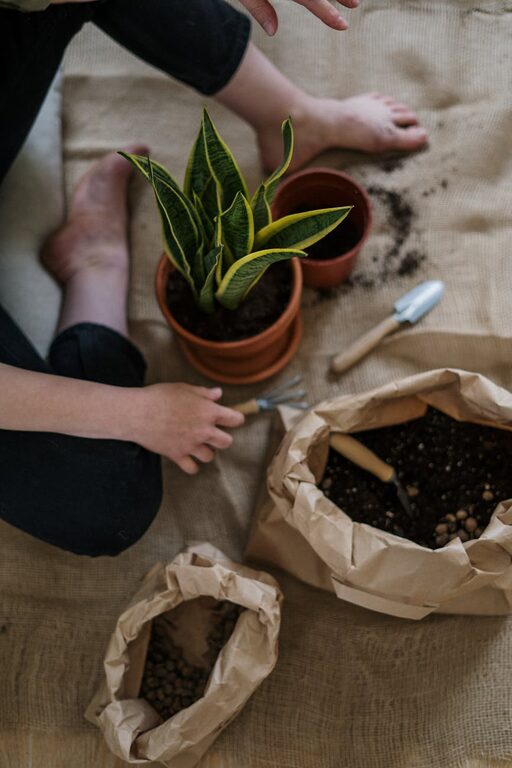
Growing your own herbs indoors is a rewarding and enjoyable way to add fresh flavors to your cooking while decorating your living space. Whether you have a sunny windowsill or a small corner of your kitchen, starting a small indoor herb garden is easier than you might think. In this guide, we’ll walk you through everything you need to know to cultivate healthy, vibrant herbs at home.
Why Grow Herbs Indoors?
Indoor herb gardens offer several benefits:
– Fresh Ingredients: Having herbs on hand means you can enjoy fresh basil, mint, rosemary, and more whenever you want.
– Year-Round Growth: Unlike outdoor gardens affected by seasons, indoor plants thrive year-round with the right care.
– Space-Saving: Ideal for small apartments or homes without outdoor gardening space.
– Air Quality: Many herbs can improve indoor air quality and add a pleasant aroma to your living space.
Choosing the Right Herbs
Start by selecting herbs that are well-suited for indoor growth and your cooking preferences. Some popular and easy-to-grow indoor herbs include:
– Basil: Great for Italian dishes, requires plenty of sunlight.
– Mint: Perfect for teas and desserts, grows quickly.
– Parsley: Versatile and tolerant of lower light.
– Chives: Adds a mild onion flavor, easy to maintain.
– Thyme: Hardy and slow-growing, needs good drainage.
– Cilantro: Lovely in salads and salsas, likes cooler temperatures.
– Oregano: Great for seasoning, thrives indoors with enough light.
Selecting Containers
Your choice of containers can impact the success of your herb garden.
– Size: Choose pots at least 4–6 inches deep with drainage holes.
– Material: Terracotta, ceramic, or plastic pots all work well; terracotta is breathable and prevents overwatering.
– Tray: Use a tray underneath to catch excess water and protect your surfaces.
Choosing the Right Soil
Use a high-quality potting mix formulated for indoor plants or herbs. These mixes:
– Drain well to prevent root rot.
– Are lightweight for easy handling.
– Provide good aeration for roots.
Avoid garden soil, which can be too dense and may contain pests or diseases.
Lighting Needs
Most herbs need 6–8 hours of sunlight daily. Here’s how to provide enough light:
– Natural light: Place your herbs on a south-facing windowsill for maximum sun exposure.
– Supplemental lighting: If natural light is limited, consider using grow lights designed for plants. LED grow lights are energy-efficient and effective.
– Rotate plants: Turn pots every few days to encourage even growth.
Planting Your Herbs
You can start herbs from seeds or buy small seedlings from a nursery.
– Seeds: Follow the packet instructions on planting depth and spacing.
– Seedlings: Transplant carefully into your pots, gently loosening roots if they are crowded.
– Water the soil thoroughly but avoid waterlogging.
Watering Tips
Overwatering is a common mistake with indoor plants.
– Check soil moisture by sticking your finger about an inch into the soil.
– Water only when the top inch is dry.
– Use room temperature water.
– Ensure excess water drains out to prevent root rot.
Fertilizing Your Herbs
Herbs benefit from occasional feeding since containers have limited nutrients.
– Use a balanced, water-soluble fertilizer every 4–6 weeks during the growing season.
– Avoid over-fertilizing as this may affect flavor.
Pruning and Harvesting
Regular pruning encourages bushier growth and prevents legginess.
– Pinch off the tips of the herbs to encourage branching.
– Harvest leaves regularly but avoid removing more than one-third of the plant at a time.
– Use sharp scissors or pruning shears to avoid damaging the plants.
Managing Common Issues
– Pests: Watch for aphids, spider mites, or whiteflies. Wipe leaves with mild soapy water or use natural pest controls.
– Yellowing leaves: Typically a sign of overwatering or insufficient light.
– Leggy herbs: Move to a spot with more light or prune back to promote fuller growth.
Tips for Success
– Start with a few easy herbs before expanding your collection.
– Label your pots for easy identification.
– Keep the area around your herbs clean and free from dust.
– Rotate your plants to ensure even light exposure.
– Experiment with different herb combinations to find your favorites.
Conclusion
Starting a small indoor herb garden is a wonderful way to enjoy fresh flavors and greenery at home. With proper selection, care, and attention to light and watering, even beginners can enjoy a flourishing herb garden year-round. Happy gardening!
—
Feel free to share your own indoor herb garden tips in the comments below!